
Are you curious about the pros and cons of the keto diet? Well, you’re in luck! In this article, we’re going to explore the benefits and drawbacks of following a ketogenic diet. So, let’s dig in and see if the keto diet is right for you!
Now, you might be wondering, what exactly is the keto diet? It’s a low-carb, high-fat diet that has gained popularity for its potential weight loss and health benefits. By drastically reducing your carbohydrate intake and replacing it with fat, your body enters a state called ketosis, where it burns fat for fuel instead of carbohydrates.
But before you jump on the keto bandwagon, let’s weigh the pros and cons together to see if this diet fits your lifestyle and goals. Are you ready? Let’s get started!
Considering a keto diet? Here’s a breakdown of the pros and cons to help you make an informed decision:
- Weight Loss: The keto diet can be effective for shedding pounds.
- Increased Energy: Many people report feeling more energized on a keto diet.
- Improved Mental Focus: Some studies suggest that ketosis can enhance cognitive function.
- Reduced Cravings: Cutting out carbs may help reduce cravings and control appetite.
- Diet Restrictions: The keto diet requires eliminating many high-carb foods.
- Initial Side Effects: Some people experience keto flu symptoms during the transition phase.
- Micronutrient Deficiencies: The restricted food choices can lead to nutrient deficiencies.
- Strictness: The keto diet requires consistent adherence to maintain ketosis.
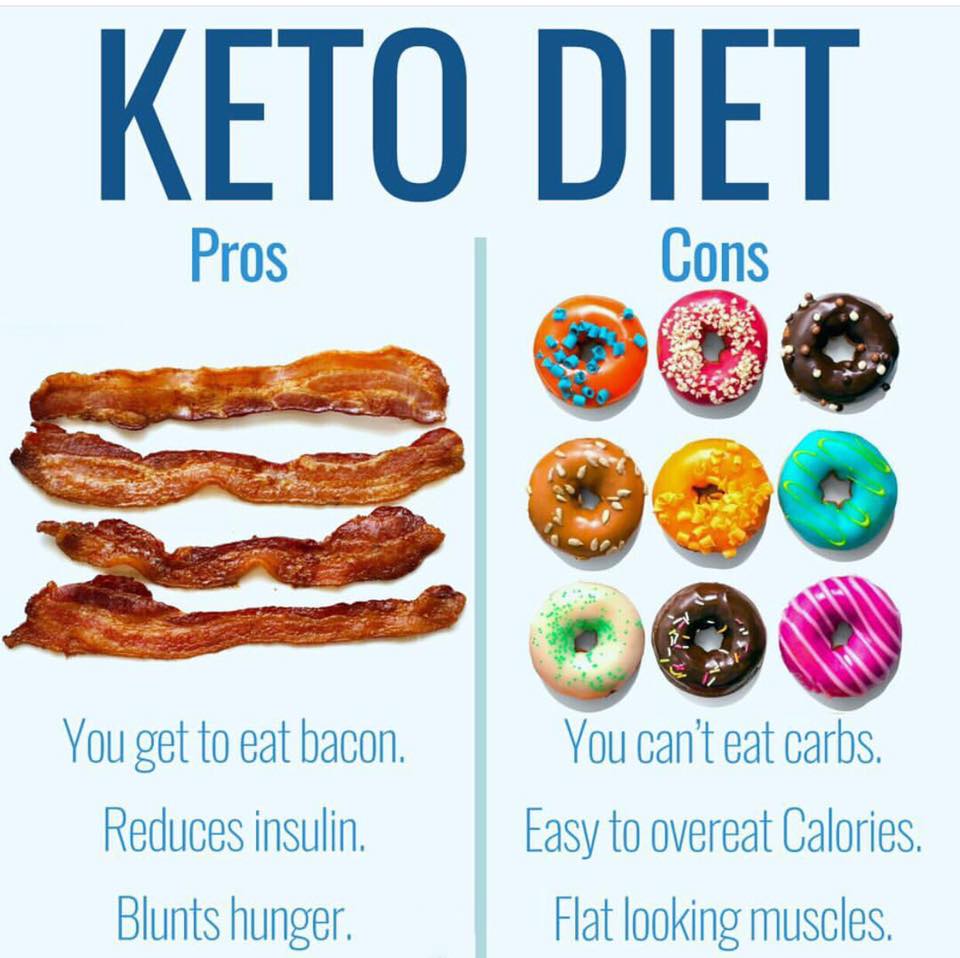
Key Takeaways: Pros Vs Cons Keto Diet
- The keto diet can help with weight loss by promoting fat burning and reducing appetite.
- One of the cons of the keto diet is that it may cause nutrient deficiencies if not followed properly.
- Pros: The keto diet can improve blood sugar control and may benefit people with diabetes.
- Cons: The restrictive nature of the keto diet can be challenging to follow long-term.
- Always consult with a healthcare professional before starting any new diet or making significant dietary changes.
** Comparing Pros Vs Cons Keto Diet **
The ketogenic diet, or keto diet for short, has gained significant popularity in recent years as a way to lose weight and improve overall health. However, like any diet, it has its pros and cons. In this article, we will explore the benefits and drawbacks of the keto diet, helping you decide if it’s the right choice for you.
### Overview of the Keto Diet
The keto diet is a low-carb, high-fat diet that aims to shift the body’s metabolism into a state of ketosis. In ketosis, the body starts using fat as its primary fuel source instead of carbohydrates. This metabolic state is achieved by drastically reducing carbohydrate intake and increasing fat intake.
The keto diet typically consists of foods such as meat, fish, eggs, dairy products, oils, and low-carb vegetables. It restricts or eliminates foods high in carbohydrates, including grains, legumes, starchy vegetables, and most fruits.
The goal of the keto diet is to force the body to burn stored fat for energy, leading to weight loss and other health benefits. However, it’s essential to consider both the pros and cons before embarking on this dietary approach.
### Key Features Compared
1. Weight Loss:
The keto diet is highly effective for weight loss, particularly in the short term. By limiting carbohydrate intake, the body burns fat for fuel. This can lead to rapid initial weight loss. However, the weight loss may plateau over time as the body adjusts to the new metabolic state.
2. Increased Energy Levels:
Many individuals report increased energy levels when following the keto diet. Since the body is using fat for fuel, it may provide a steady and consistent energy source throughout the day. However, some people may experience fatigue and a lack of stamina during the initial stages of transitioning to ketosis.
3. Improved Mental Clarity:
Some proponents of the keto diet claim that it enhances mental clarity and focus. They believe that the stable blood sugar levels achieved on this diet can lead to increased cognitive function. However, more research is needed to fully understand this connection.
4. Reduced Appetite:
One of the benefits of the keto diet is its appetite-suppressing effects. High-fat foods can keep you feeling full and satisfied for longer periods, reducing the urge to snack or overeat. This can contribute to weight loss and improved portion control.
5. Nutrient Deficiencies:
Since the keto diet restricts many food groups, including fruits, whole grains, and legumes, there is a risk of nutrient deficiencies. These foods are excellent sources of vitamins, minerals, and fiber. To mitigate this risk, individuals following the keto diet should ensure they are getting a wide range of nutrients from other sources, such as non-starchy vegetables and supplements if necessary.
6. Digestive Issues:
Some people may experience digestive issues when transitioning to the keto diet, including constipation, bloating, and diarrhea. This is often a result of the abrupt change in dietary fiber intake. It is essential to hydrate adequately and incorporate fiber-rich foods to maintain healthy digestion.
7. Ketosis Side Effects:
When the body enters ketosis, there can be temporary side effects, commonly known as the “keto flu.” These side effects may include fatigue, headaches, dizziness, and irritability. They typically subside within a few days to a week as the body adapts to the new metabolic state.
8. Sustainability:
The sustainability of the keto diet varies from person to person. Some individuals find it challenging to maintain a strict low-carb, high-fat diet in the long term. Social situations, limited food choices, and the potential monotony of the diet can make adherence difficult. However, others find the keto diet to be a sustainable and enjoyable lifestyle.
9. Cholesterol Levels:
The keto diet may have an impact on cholesterol levels. While it can increase the levels of HDL (good) cholesterol, it can also elevate LDL (bad) cholesterol levels. It’s crucial to monitor cholesterol levels regularly if following the keto diet, particularly if you have a history of heart disease or high cholesterol.
10. Social Implications:
Following the keto diet may present challenges in social situations. Since it restricts many common food choices, dining out or attending social gatherings can become more complicated. It’s essential to plan ahead and communicate your dietary needs to ensure you can stick to the diet while also enjoying social interactions.
### User Experience
The user experience of the keto diet varies widely among individuals. Some people find it to be a life-changing approach that helps them achieve their weight loss and health goals, while others struggle to maintain the diet’s restrictions and experience negative side effects.
Those who have experienced success on the keto diet often report rapid weight loss, improved energy, decreased cravings, and improved blood sugar control. However, it is essential to listen to your body and make adjustments as needed. If you find the keto diet leads to discomfort or negatively impacts your well-being, it may not be the right choice for you.
### Pros and Cons of the Keto Diet
When considering the pros and cons of the keto diet, it’s important to weigh the potential benefits against the challenges and limitations it presents.
#### Pros of the Keto Diet:
– Effective for weight loss in the short term
– Increased energy levels and improved mental focus
– Appetite suppression and improved portion control
– Potential improvement in blood sugar control for those with diabetes or insulin resistance
– Possibility of reducing seizures in individuals with epilepsy
#### Cons of the Keto Diet:
– Risk of nutrient deficiencies due to restricted food groups
– Digestive issues during the transition period
– Temporary side effects of ketosis, such as the “keto flu”
– Challenges with sustainability and adherence in the long term
– Potential impact on cholesterol levels, particularly LDL cholesterol
### Price Comparison
When it comes to the cost of following the keto diet, it can vary depending on several factors, including location, food choices, and individual dietary needs. In general, the cost of the keto diet can be higher due to the emphasis on quality protein sources and healthy fats.
The cost of the keto diet primarily comes from purchasing high-quality sources of meat, fish, and dairy products. Additionally, specialty keto products and supplements can add to the overall expense. However, it’s important to note that the cost can be offset by reducing expenses on processed and high-carbohydrate foods.
### Comparison Table:
The following table compares ten features of the keto diet:
| Feature | Pros of Keto Diet | Cons of Keto Diet |
|———————-|——————————————————————|————————————————————-|
| Weight Loss | Rapid initial weight loss | Weight loss may plateau over time |
| Increased Energy | Provides a steady and consistent energy source | May experience fatigue during the transition to ketosis |
| Improved Mental Clarity | Enhanced mental focus and cognition | Studies needed to confirm the cognitive benefits |
| Reduced Appetite | Suppresses appetite and aids in portion control | Some people may not experience appetite suppression |
| Nutrient Deficiencies | None | Risk of deficiencies due to restricted food groups |
| Digestive Issues | None | Temporary digestive issues during the transition period |
| Ketosis Side Effects | Temporary side effects such as fatigue and headaches | Effects subside as the body adapts to ketosis |
| Sustainability | Can be a sustainable lifestyle for some individuals | May be challenging to adhere to long-term |
| Cholesterol Levels | May increase HDL (good) cholesterol and elevate LDL (bad) cholesterol | Monitor cholesterol levels, particularly for those with high cholesterol |
| Social Implications | Requires planning and communication to navigate social situations | Limited food choices can make social interactions challenging |
### Which is better – Pros Vs Cons Keto Diet?
The decision of whether the keto diet is better ultimately depends on the individual’s goals, preferences, and health conditions. The pros of the keto diet, such as initial weight loss, increased energy, and reduced appetite, can be compelling for those looking to shed pounds and control their cravings. However, the potential cons, including nutrient deficiencies, digestive issues, and challenges with sustainability, should also be considered.
In conclusion, the keto diet can be effective for weight loss and may provide certain health benefits. However, it’s essential to consult with a healthcare professional or registered dietitian before starting any new diet plan, especially if you have any underlying health conditions or concerns. They can provide personalized guidance and help you determine if the keto diet is the right choice for you.
#### Three reasons why the Pros Vs Cons Keto Diet may be the better choice:
1. Rapid initial weight loss: For individuals looking to jumpstart their weight loss journey, the keto diet’s ability to promote quick initial weight loss can be highly appealing.
2. Increased energy and mental focus: The keto diet may provide a consistent and steady source of energy, reducing energy crashes and improving mental clarity and focus.
3. Appetite suppression and improved portion control: The ability of the keto diet to suppress appetite and aid in portion control can be beneficial for individuals struggling with overeating or cravings.
While the keto diet may have its drawbacks, these three reasons demonstrate why it may be the better choice for those seeking weight loss, increased energy, and improved appetite control.
Frequently Asked Questions
The following are the most commonly asked questions about the Pros and Cons of the Keto Diet:
1. How does the Keto Diet work?
The Keto Diet is a high-fat, low-carb eating plan that aims to put your body in a state of ketosis. Ketosis occurs when your body doesn’t have enough carbohydrates to use as energy, so it starts burning stored fat instead. By limiting carb intake and increasing fat consumption, the body shifts into ketosis and begins using fat as its primary fuel source.
This can lead to weight loss because the body is using stored fat for energy. However, it’s important to note that the Keto Diet isn’t a quick fix and should be followed carefully to ensure you’re getting the right nutrients and maintaining overall health.
2. What are the pros of the Keto Diet?
One of the main benefits of the Keto Diet is weight loss. By shifting your body into ketosis, it can help you shed excess pounds and reduce body fat. Additionally, the Keto Diet has been shown to improve insulin sensitivity, which can be beneficial for people with diabetes or those at risk of developing it.
Other potential pros include increased energy levels, reduced hunger and cravings, improved mental focus, and better control over blood sugar levels. Some people also find that the Keto Diet helps improve their cholesterol and triglyceride levels. However, it’s important to note that individual results may vary, and it’s essential to consult with a healthcare professional before starting any diet plan.
3. What are the cons of the Keto Diet?
One of the main drawbacks of the Keto Diet is the initial adjustment period, often referred to as the “keto flu.” During this phase, you might experience symptoms such as fatigue, headaches, irritability, and brain fog as your body adapts to using fat as its primary fuel source.
Another potential con of the Keto Diet is the restrictive nature of the eating plan. It can be challenging to eliminate or limit certain foods, such as grains, fruits, and high-carb vegetables. This may lead to nutritional deficiencies if the diet is not properly balanced and supplemented.
4. Is the Keto Diet suitable for everyone?
The Keto Diet may not be suitable for everyone, especially those with certain medical conditions or people who are pregnant or breastfeeding. It’s important to consult with a healthcare professional before starting the diet, especially if you have any underlying health concerns.
Additionally, the Keto Diet requires strict adherence and can be challenging to maintain long-term. It may not be suitable for those who struggle with disordered eating patterns or have a history of yo-yo dieting.
5. Are there any potential risks to consider?
While the Keto Diet can be effective for weight loss and other health benefits, there are potential risks to consider. One of the main concerns is the increased consumption of saturated fats, which can raise cholesterol levels and increase the risk of heart disease.
Another risk is the potential for nutrient deficiencies, particularly if the diet is not properly balanced and supplemented. It’s important to ensure you’re getting enough vitamins, minerals, and fiber while following the Keto Diet.
Keto Diet Pros, Cons And Tips For Making It Work
Summary
So, to sum it all up, the keto diet has its pros and cons. On the pro side, it can help you lose weight, increase energy, and improve focus. It may also have some health benefits for certain conditions like epilepsy or diabetes.
But there are also some cons to consider. The keto diet can be hard to stick to, and it may cause side effects like the keto flu. It also restricts many foods, which can limit important nutrients in your diet.
Remember, it’s always important to talk to a doctor or nutritionist before starting any new diet. They can help you decide if the keto diet is right for you and give you guidance on how to do it in a healthy way.
So, while the keto diet may have its perks, it’s best to approach it with caution and with the guidance of a healthcare professional. It’s all about finding a balance and doing what’s best for your body!

 Join Our Newsletter To Get All The Latest Keto Recipes, Tips, and Tricks.
